
When companies evaluate where to grow, relocate, or invest, they often start with infrastructure, workforce, and business climate. One of the factors that ultimately shapes whether people want to live and work in a community is the quality of life. In Noblesville, that quality of life is strengthened every day by the work of our Parks and Recreation Department.
Parks and Recreation play a key role in the ecosystem that supports economic development. Their work touches everything from neighborhood connectivity and outdoor recreation to community events and cultural programming. By creating spaces where residents gather, explore, and connect, the department helps make Noblesville a place where businesses attract and retain talent.
Building a Connected Community Through Green Space and Trails
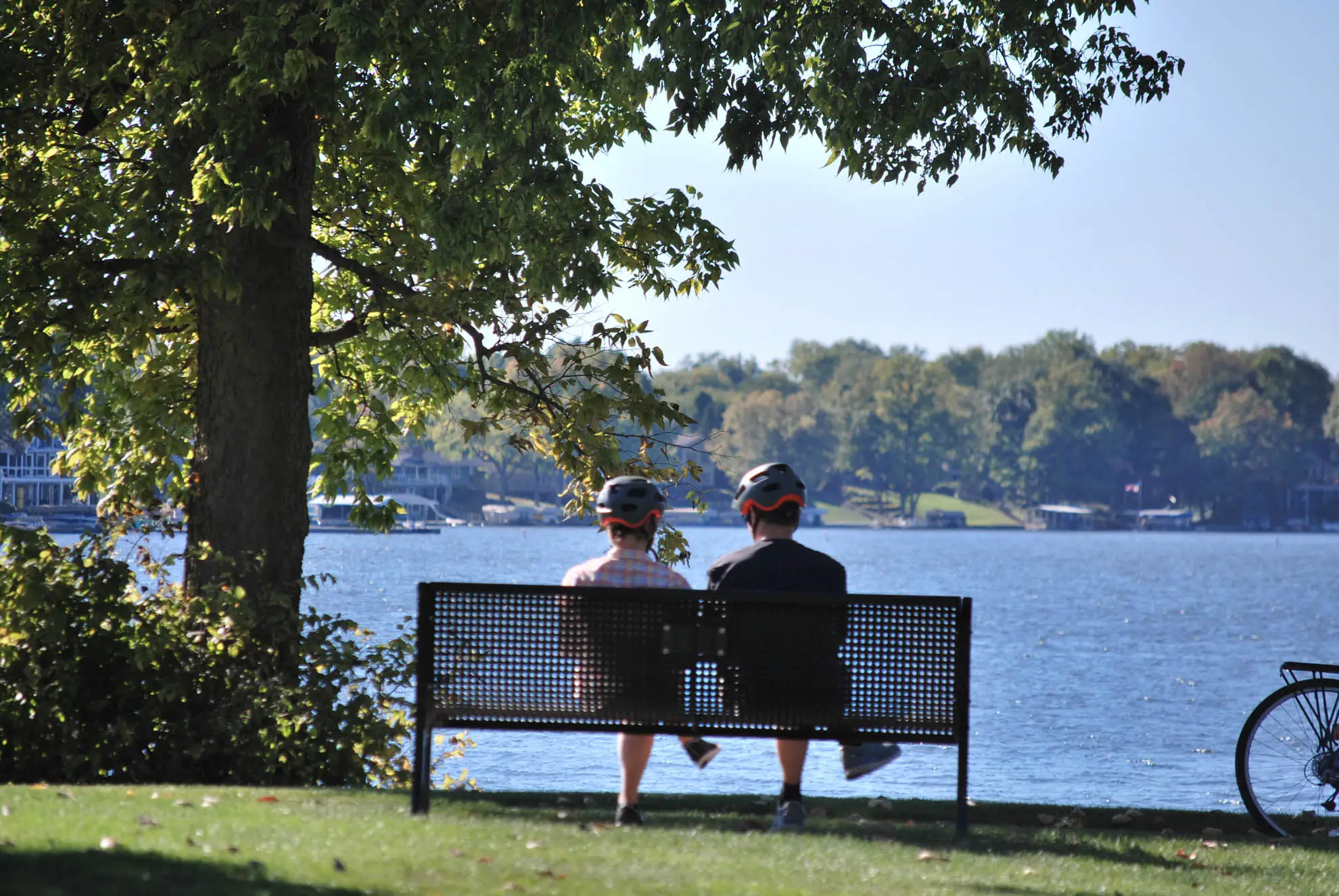
One of Noblesville’s greatest assets is its commitment to preserving green space while expanding opportunities for recreation and connectivity. Parks throughout Noblesville provide spaces for families, athletes, and nature lovers alike to enjoy the outdoors.
Equally important is the city’s growing trail system, which now includes more than 130 miles of trails and sidewalks connecting neighborhoods, parks, schools, and community destinations. These trails make it easier for residents to walk, bike, and explore the city while linking major community spaces like Forest Park and Federal Hill Commons.
For businesses considering Noblesville, these amenities matter. Employees increasingly seek communities where outdoor recreation, wellness, and connectivity are accessible close to home.
“Our parks are more than just green space; they’re where the community gathers, where families spend time together, and where residents experience the quality of life that makes Noblesville special,” said Savannah Wines, Director of Parks and Recreation. “We work closely with city departments to ensure our parks and trail system grow alongside our community.”
Programming That Brings People Together
Parks and Recreation also plays a major role in creating the Noblesville Parks events and programs that give the city its vibrant community energy. Throughout the year, residents and visitors enjoy a wide range of programming designed to bring people together and activate our parks.
Popular programs include:
- Concerts in the Park, featuring live music in beautiful outdoor settings
- Movies in the Park, offering family-friendly entertainment under the stars
- The Noblesville Farmers Market, one of the region’s most popular markets, features local produce, handmade goods, and community vendors
- Youth and adult recreation leagues and classes
- Seasonal events, festivals, and special programming for all ages
These programs transform parks into gathering places where neighbors meet, families create traditions, and visitors discover what makes Noblesville unique.
“Events like the Farmers Market, concerts, and community programs help activate our parks and create experiences that residents look forward to year after year,” Wines said. “They strengthen community connections and contribute to the welcoming atmosphere Noblesville is known for.”
Celebrating a Century of Forest Park
This year marks an exciting milestone for one of Noblesville’s most beloved community spaces: Forest Park’s 100th anniversary.
For a century, Forest Park has served as a cornerstone of recreation in Noblesville. Generations of residents have made memories there, whether riding the historic Nickel Plate Express, playing miniature golf, enjoying the aquatic center, or simply walking the park’s scenic paths.
As Noblesville celebrates this centennial, Forest Park continues to evolve while honoring its history. Improvements and programming ensure the park remains a vibrant destination for future generations.
Why It Matters for Business
Quality of life is increasingly one of the top factors companies consider when selecting a location or expanding operations. Communities with strong park systems, outdoor amenities, and year-round programming are better positioned to attract talent and support long-term growth.
In Noblesville, Parks and Recreation helps:
- Attract and retain workforce talent
- Support residential development and neighborhood growth
- Create vibrant gathering spaces that strengthen community identity
- Enhance wellness and outdoor lifestyle opportunities for employees and families
Simply put, great parks help build great communities, and great communities attract great companies.
Noblesville Parks & Recreation by the Numbers
- 130+ miles of trails and sidewalks connecting neighborhoods, parks, and community destinations
- 1,000+ Acres of parkland, including multiple major parks and recreation areas, serve residents across the city. There are 7 developed parks and 200 acres planned for growth.
- 35 full-time staff are dedicated to Noblesville parks.
- A Major 100-year Milestone! Forest Park, Noblesville’s flagship park, which spans 150 acres, is celebrating its 100th anniversary in 2026
- Year-round community programming, including concerts, movies, markets, and festivals
- 24 Saturdays of the Noblesville Main Street Farmers Market, one of Hamilton County’s most popular weekly events, operating May 2 through October 10, 2026, and attracting visitors from across the region.
Supporting Growth Through Quality of Life
Economic development is rarely the work of a single department. It’s the result of collaboration across the entire city.
Parks and Recreation contributes to that effort by helping create the kind of community of which people want to be part. Great parks and vibrant programming support housing development, attract new residents, and give companies confidence that their employees will enjoy living here.
As Noblesville continues to grow, our Parks and Recreation team will remain an essential partner in shaping the community’s future, ensuring that as our city expands, it continues to offer the spaces, experiences, and connections that make Noblesville such a special place to call home.