

Discover the Top Business Retention and Expansion Trends Today
In today’s rapidly evolving economic landscape, cities and regions across the United States are increasingly focused on business retention and expansion (BRE) strategies to drive sustainable growth. As the backbone of local economies, existing businesses play a crucial role in job creation, innovation, and community prosperity. To remain competitive, economic development professionals are adapting to new trends and leveraging innovative practices to retain and grow businesses. Here are the top three trends in business retention and expansion shaping economic development in the U.S.
Leveraging Data and Technology for Business Intelligence
One of the most significant trends in business retention and expansion is the increased use of data and technology to better understand local business needs and identify growth opportunities. Gone are the days of relying solely on traditional surveys and face-to-face meetings to assess business conditions. Economic development organizations (EDOs) are now harnessing advanced data analytics, real-time dashboards, and artificial intelligence (AI) to gain deeper insights into local business performance.
Why It Matters:
- Proactive Decision-Making: EDOs can track economic indicators, industry trends, and business sentiment to proactively address challenges before they escalate.
- Tailored Support: By identifying specific issues like workforce gaps or supply chain disruptions, economic developers can provide targeted solutions to support businesses.
- Early Warning Systems: Predictive analytics allow cities to detect signs of business distress early, enabling swift intervention to prevent closures or relocations.
Example: The City of Noblesville utilizes Chmura Economic’s JobsEQ data platform to support local businesses’ wage competitiveness. The system can track industry and occupation wage trends to ensure our local labor shed is competitive in attracting and retaining our workforce.
Workforce Development and Talent Attraction Initiatives
A robust and skilled workforce remains the lifeblood of any growing business. The ability to attract, retain, and upskill talent has become a critical factor for businesses looking to expand or relocate. In response, EDOs are partnering with educational institutions, workforce agencies, and private sector organizations to develop innovative workforce development strategies.
Key Trends in Workforce Development:
- Upskilling and Reskilling Programs: With the rapid pace of technological change, businesses are increasingly seeking employees with new skill sets. Many cities and states are investing in programs that help existing workers acquire the skills needed for evolving industries, such as advanced manufacturing, healthcare, and IT.
- Public-Private Partnerships (PPPs): Collaborative efforts between local governments, companies, and educational institutions are creating pipelines for talent. Apprenticeships, internships, and vocational training programs are becoming more integrated with industry needs.
- Remote Work Adaptation: The rise of remote work has led EDOs to focus not only on traditional labor markets but also on attracting remote workers to their regions. Cities are promoting quality of life, cost of living, and infrastructure to appeal to remote professionals.
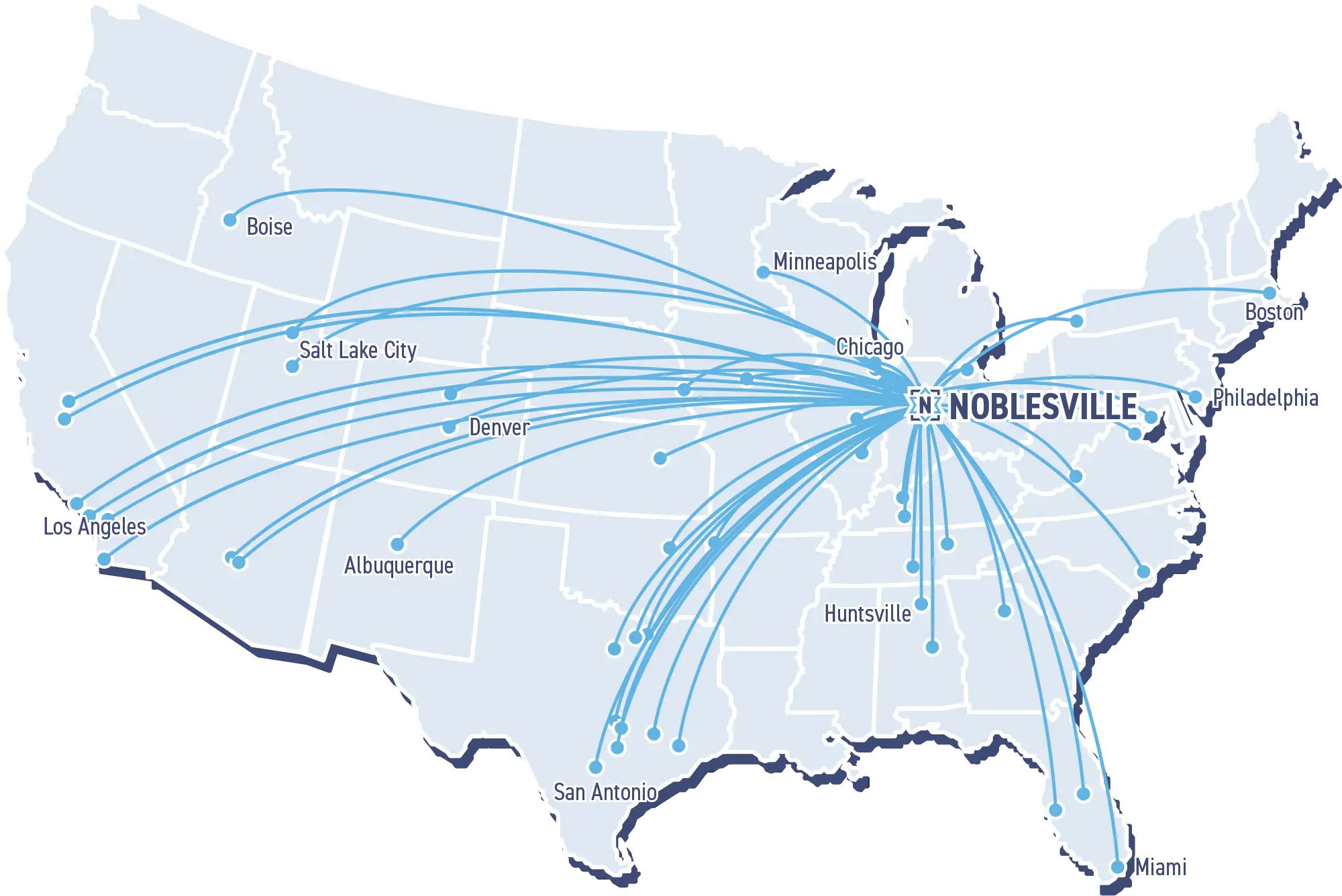
Example: In partnership with the Indiana Economic Development Corporation and MakeMyMove, the City of Noblesville has developed a remote worker attraction program to entice eligible candidates to relocate to Noblesville from across North America. The program has attracted nearly 200 new residents to the City and an estimated annual economic impact of $7.5 million.
Fostering Local Supply Chains and Regional Collaboration
Global supply chain disruptions, highlighted by the COVID-19 pandemic, have led businesses to re-evaluate their supply networks. This shift has prompted economic developers to focus on fostering local and regional supply chains to increase resilience and reduce dependency on distant sources. Strengthening regional collaborations and clustering industries are also gaining traction as strategies to enhance competitiveness.
Key Benefits of Local Supply Chain Focus:
- Resilience: Encouraging local sourcing and supplier partnerships reduces vulnerability to global disruptions and improves the continuity of operations.
- Cost Efficiency: Proximity to suppliers can reduce transportation costs and lead times, offering significant advantages for local businesses.
- Sustainability: Shorter supply chains contribute to reduced carbon footprints, aligning with the growing emphasis on sustainability among both businesses and consumers.
Regional Collaboration Trends:
- Industry Clusters: Economic developers are promoting industry-specific clusters that encourage collaboration and innovation among businesses within a region. This fosters knowledge sharing, supply chain integration, and economic synergies.
- Intergovernmental Cooperation: Cities and counties are increasingly working together to leverage shared resources, infrastructure, and talent pools. This approach reduces competition between neighboring regions and promotes mutual growth.
Example: The City of Noblesville’s targeted industries include life sciences, health technology, professional, technical, and financial services, advanced manufacturing, and wholesale trade. During our strategic plan development in 2020, we developed strategies to maximize local supply chains through the formation of a Workforce Advisory Committee and various networking events with the Chamber of Commerce.
Business retention and expansion efforts are pivotal to economic development, and the trends shaping this landscape continue to evolve. By leveraging data and technology, prioritizing workforce development, and fostering local supply chains, economic development organizations are better equipped to support businesses and drive sustainable growth in their communities. As U.S. cities and regions navigate an increasingly complex economy, these trends offer a roadmap for fostering innovation, ensuring business resilience, and strengthening local economies.